
 Software
8 min read
POS Software for Retail in Pakistan: What Actually Matters
What a Pakistani retail or restaurant POS must do that cloud-only imports ignore — offline billing, tax invoices, multi-branch stock and Urdu receipts.
Read MoreReal-time reporting from the till, an FBR invoice number and QR code on every receipt, and a counter that keeps selling when the line drops.

Written by a software engineer, not a tax adviser. Statutory references were checked against FBR's own published FAQs and the Sales Tax Act, 1990 on this date. WordbitX is not an FBR licensed integrator.
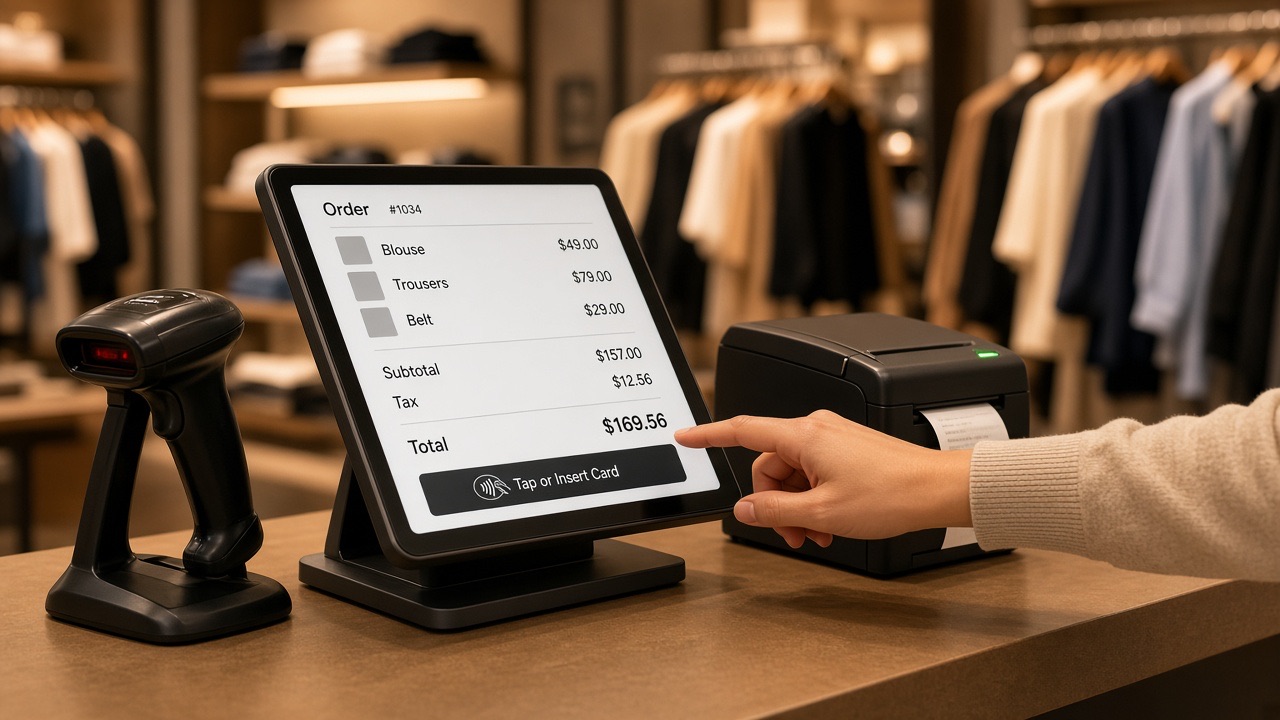
Section 3(9A) of the Sales Tax Act, 1990 requires Tier-1 retailers to integrate every retail outlet with FBR's computerised system so that sales are reported in real time. In practice: the cashier completes the sale, your POS transmits the invoice, FBR validates it and returns an invoice number and QR code, and the receipt prints with both — usually inside a second or two.
The cost of ignoring it is specific rather than vague. Under section 8B(6) a Tier-1 retailer that has not integrated loses a large share of its adjustable input tax for that period — the reduction was 15% when the regime started and has since been raised to 60%, which turns sales tax you already paid on purchases into money you cannot claim back. Section 33 adds monetary penalties, and continued non-compliance can lead to sealing of premises.
The engineering problem nobody mentions in the compliance brochures is the network. A counter that stops billing because a fiscal API is unreachable is not a compliant shop, it is a closed one. We treat offline-first as the default: the till writes locally, keeps serving customers, and syncs with conflict handling when connectivity returns. That is the same architecture our retail POS work has always used, and it is the reason the compliance layer does not become a single point of failure for the business.
Multi-branch adds its own requirement. Each outlet registers its own store ID and each POS terminal is registered separately, so the reporting model has to mirror your actual branch and terminal structure rather than pretending the chain is one till. Reporting back to the owner then has to reconcile branch, terminal, shift and cashier against what was actually transmitted.
Who does the connecting: only an FBR licensed integrator may configure your software for transmission, and PRAL performs that role free of cost. WordbitX builds the POS and the data layer behind it; the fiscal link runs through PRAL or the licensed integrator you choose. We are not a licensed integrator and do not describe ourselves as FBR approved.
Rules, thresholds and dates in this area change with almost every finance act and SRO. Treat this page as an engineering brief, not tax advice, and confirm your own position with your tax adviser or FBR directly before acting.
Definitions do not ship products. These service pages explain the engagement.
POS, inventory and branch reporting that keep selling when the internet drops.
SoftwareWhat a Pakistani retail or restaurant POS must do that cloud-only imports ignore — offline billing, tax invoices, multi-branch stock and Urdu receipts.
Read MoreRetailWhy restaurant POS fails here — power cuts, KOT, deals, delivery apps — and what a counter system must do before you buy screens.
Read More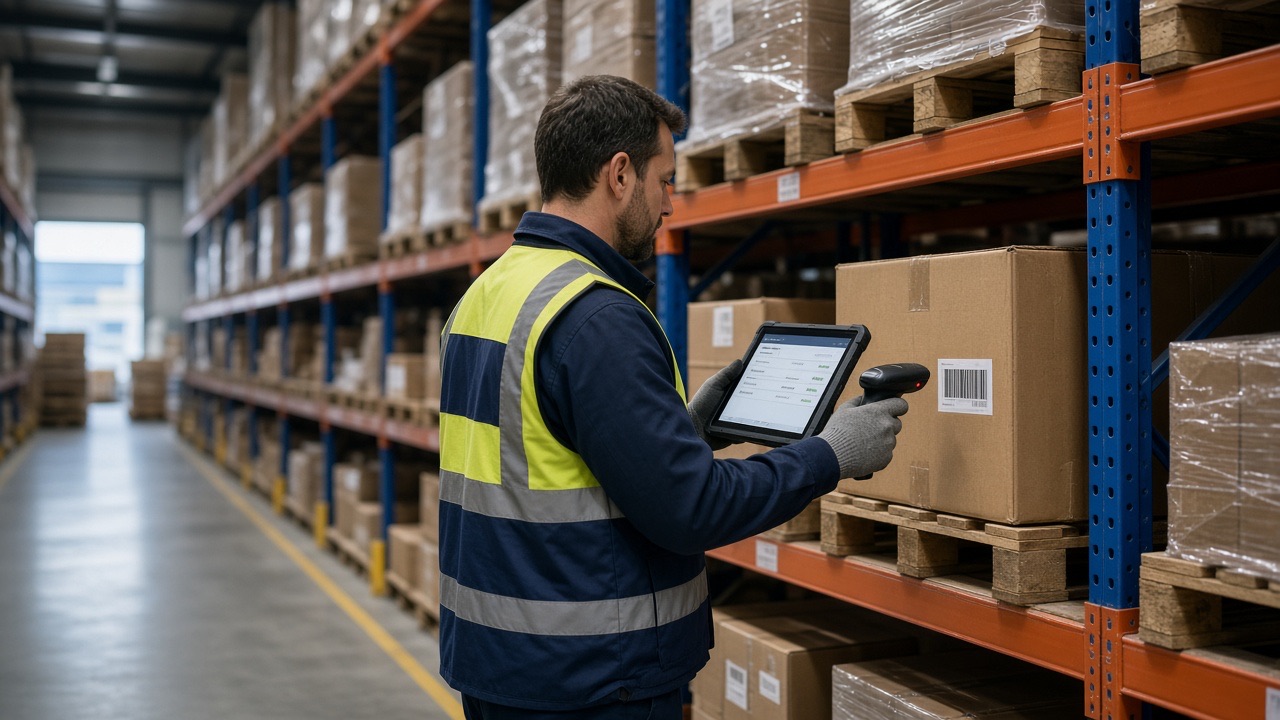 Business Software
Why system stock drifts away from shelf stock, the reports that actually protect margin, and how to choose between off-the-shelf and custom inventory software.
Read MoreIt is mandatory for Tier-1 retailers, and Tier-1 status is triggered by meeting any one of the tests in section 2(43A) — not all of them. A single air-conditioned mall unit, a card machine, or an electricity bill over Rs 1.2 million across twelve months is enough on its own. See our Tier-1 retailer page for the full list.
A reduction in adjustable input tax for the period under section 8B(6) — originally 15%, now 60% — which directly raises what you owe, plus penalties under section 33 and, for continued failure, sealing of the premises. The input tax reduction is usually the larger number.
It should not. We build the counter offline-first: billing, printing and stock deduction continue locally, invoices queue, and transmission catches up when the connection returns. A compliance requirement should never become the reason a shop cannot trade.
Sometimes. If it can be extended and exposes its data cleanly, adding the compliant invoicing path is cheaper than a rebuild. If it is closed software with no Pakistani tax model, we will say so rather than sell you an integration that will keep breaking.
Yes. A Tier-1 retailer's web sales fall within the same regime, so the storefront has to raise the compliant invoice at checkout and print the FBR invoice number and QR code on what the online customer receives.
Real-time invoice transmission to FBR, an IRN and a QR code on every receipt. What that means for the system you already run.
Section 2(43A) catches far more shops than owners expect. Meeting any one test is enough — including the electricity bill.
Restaurants, cafés and snack bars have their own rule. Dine-in, takeaway, delivery and aggregator orders all have to reconcile.
Tell us the workflow. We will recommend a package, a custom build, or neither.
Typical reply time: same business day. We work with clients across Pakistan, the UK, US, UAE and Australia.
